
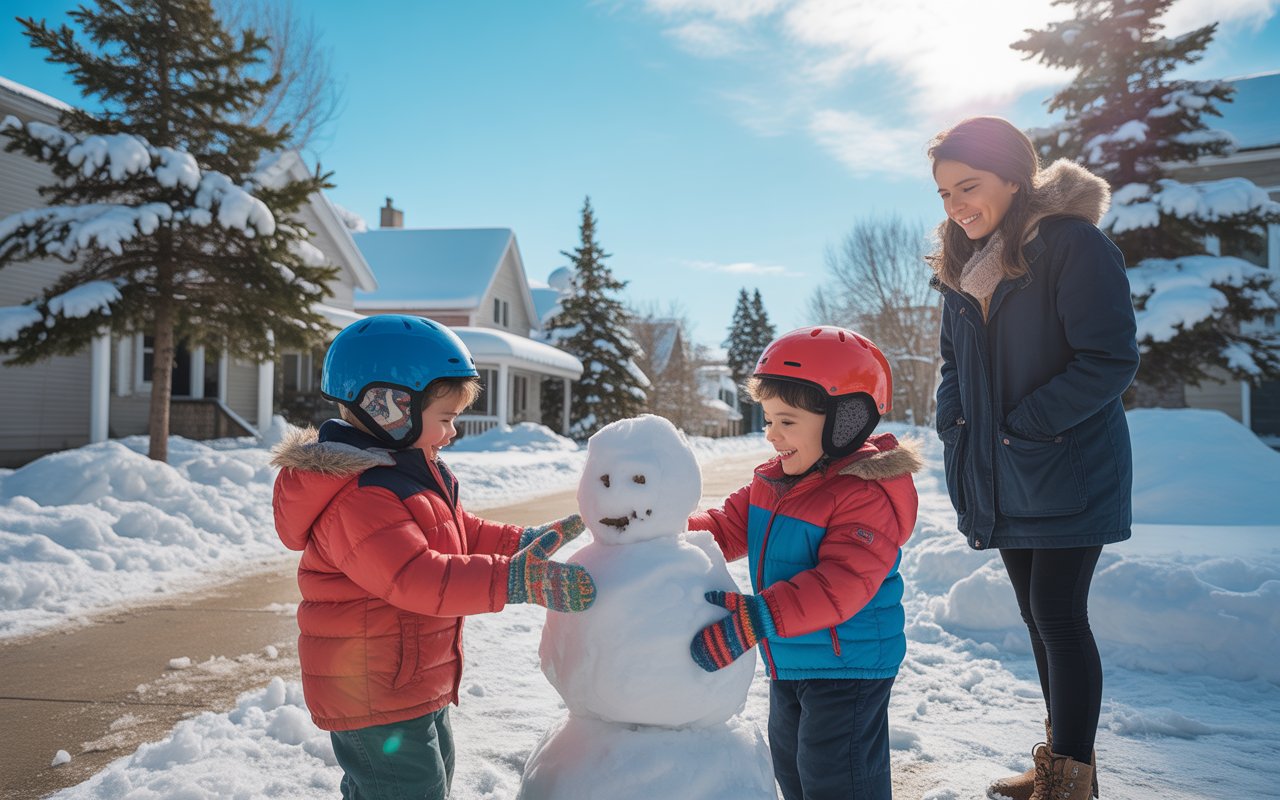
Winter in Canada brings snow-covered parks, frozen ponds, and endless chances for children to enjoy the outdoors. While cold weather can be fun, it also comes with real risks that parents should not ignore. Knowing how to keep children safe in winter helps families enjoy the season while avoiding injuries, frostbite, and unexpected emergencies.
When temperatures drop, simple choices like clothing, play areas, and supervision can make a big difference. By planning ahead and teaching children safe habits, parents can create a winter routine that balances fun with care. This guide shares practical steps to protect kids during the colder months and explains why preparation matters.
Understanding Winter Safety Risks for Children
Before heading outside, it is important to understand common winter risks for children. Cold exposure can lead to frostbite and hypothermia, especially when skin is uncovered or clothing gets wet. Slippery sidewalks, icy driveways, and snow-covered roads increase the risk of falls and accidents.
Winter safety for children also involves awareness of traffic and surroundings. Snowbanks can block visibility, and drivers may have trouble stopping on icy roads. Checking the weather forecast and assessing the play area before children go outside can reduce many of these dangers.
Dressing Children Properly for Cold Weather
Layering Clothing the Right Way
One of the best ways to keep children safe in winter is dressing them in proper layers. Start with a base layer made of breathable materials like polyester, which helps move moisture away from the skin. Avoid cotton, as it stays wet and can make children feel colder.
Add a warm middle layer for insulation and finish with a waterproof and wind-resistant outer layer. This approach helps regulate body temperature during active play and prevents chills once kids slow down.
Protecting Extremities from Cold
Head, hands, and feet lose heat quickly. A warm toque is essential, as much body heat escapes from the head. Mittens are better than gloves because they keep fingers together and are warmer. Boots should be waterproof, insulated, and roomy enough for thick socks.
Neck warmers are safer than scarves for younger children, reducing the risk of entanglement. Applying sunscreen to exposed skin is also important, as winter sun and snow glare can still cause sunburn.
Creating Safe Winter Play Areas
Checking Outdoor Spaces
A safe play area is key to preventing injuries. Parents should inspect yards, parks, and nearby areas for hidden ice, sharp objects, or uneven surfaces. Ice safety for children is especially important, as frozen ponds and lakes may look solid but can be dangerous.
If skating outdoors, ensure the ice is thick enough and approved for use. Children should always be supervised near frozen waterways to avoid serious accidents.
Snow Fort and Sledding Safety
Children love building snow forts and sledding down hills. To reduce risks, snow forts should be built without roofs to prevent collapse and suffocation. For sledding, choose slopes away from roads, trees, and fences.
Sledding safety for kids also includes wearing helmets, especially on hard-packed snow or icy hills. These small steps can prevent head injuries and serious harm.
Using Protective Gear for Winter Sports
Winter sports are popular but require extra care. Skating, skiing, and snowboarding come with a higher risk of falls. Wearing helmets designed for ice hockey or skiing can help protect against head injuries.
Knee pads, wrist guards, and proper footwear add another layer of protection. Winter sports protective gear is especially important for beginners who are still learning balance and control. Proper equipment helps children enjoy activities while lowering the chance of injury.
Teaching Children Winter Safety Habits
Building Awareness and Good Choices
Teaching children how to stay safe builds confidence and responsibility. Remind them to play away from roads and to be careful when crossing streets. Snowbanks can hide traffic, making winter road safety for children a priority.
Children should also avoid putting snow or found objects in their mouths. Snow may contain harmful substances, and cold metal objects can stick to skin, causing injuries.
Encouraging Hydration and First Aid Knowledge
Cold weather can reduce thirst, but hydration remains important. Encourage children to drink water regularly and enjoy warm drinks to help maintain body heat. Teaching basic first aid skills and how to call 911 prepares children to respond calmly in emergencies.
These habits support overall child injury prevention in winter and help kids understand how to look after themselves and others.
Why Insurance Matters During Winter
Even with careful planning, accidents can still happen. Slips, falls, or injuries involving other children can lead to unexpected costs and stress. Liability coverage can help protect families if someone is injured on your property or during supervised activities.
For Canadian families, insurance offers added peace of mind throughout the winter season. Having the right coverage helps manage risks linked to winter outdoor play safety and daily activities.
Final Thoughts on Keeping Children Safe in Winter
Winter does not have to mean staying indoors all season. With the right preparation, families can enjoy outdoor fun while keeping risks low. Dressing properly, choosing safe play areas, using protective gear, and teaching smart habits all play a role.
By focusing on how to keep children safe in winter, parents create an environment where kids can enjoy snow days with confidence. For added reassurance, speaking with a trusted insurance advisor can help ensure your family is protected against the unexpected.
